Camera matching
The camera spec is quoted with lens and working distance, because the same sensor behaves differently with the wrong optical path.
Supu supplies video microscope systems for electronics inspection, repair training, QC documentation, monitor viewing and OEM/ODM microscope supply.
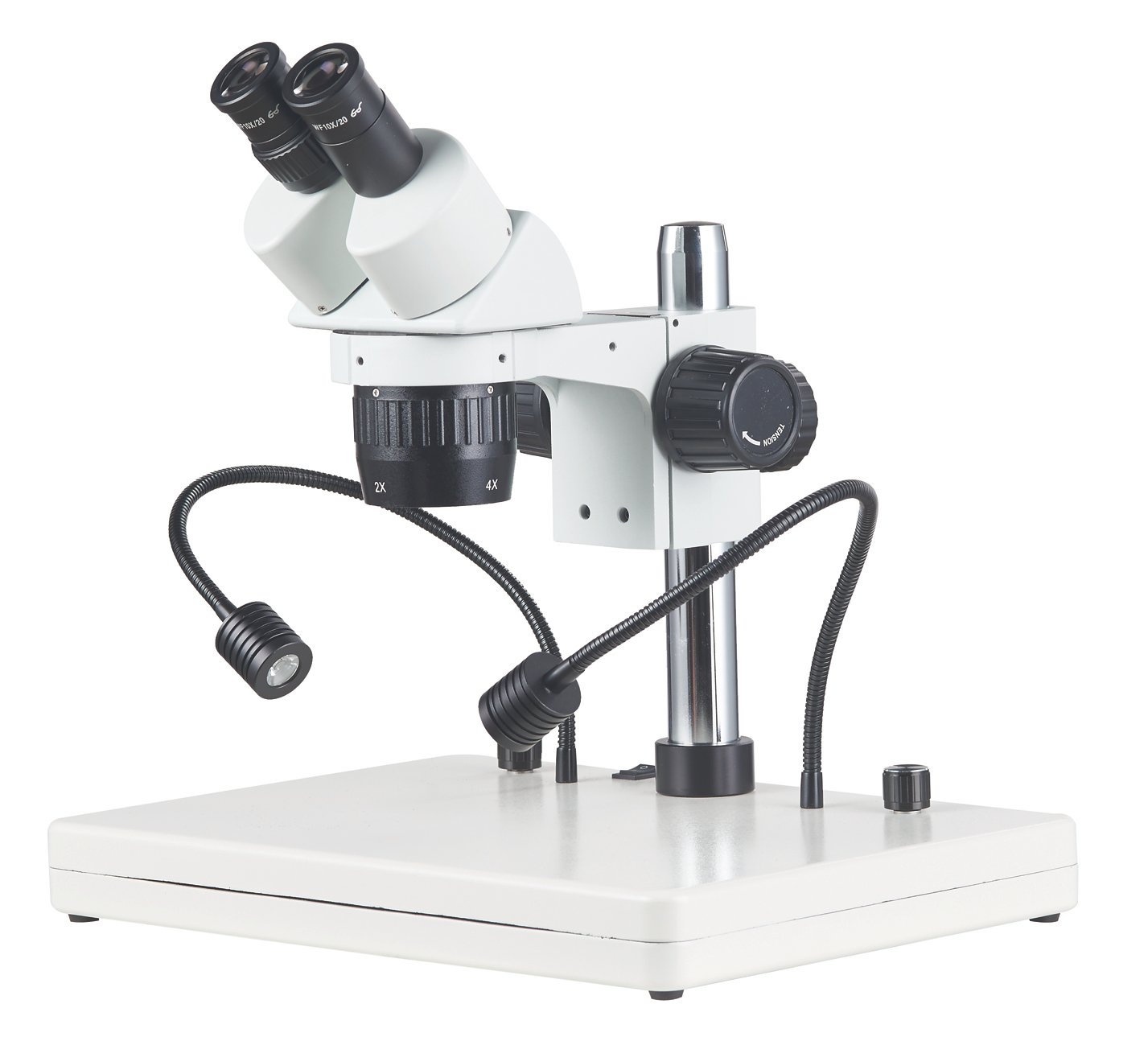
Many buyers ask first about resolution. We ask where the screen will sit, who will watch it, and whether the operator needs both hands free.
In repair training, a video microscope is valuable because the teacher and trainee see the same defect at the same time. In QC, it is valuable because a defect can be captured and discussed.
| System components | Camera, lens, stand, LED illumination, adapter and optional monitor accessories. |
|---|---|
| Use cases | PCB inspection, soldering repair, production QC, training and image capture. |
| Buyer focus | Image clarity, working distance, frame stability, lighting and easy setup. |
| OEM support | Private label, packaging, model bundle and accessory combination. |
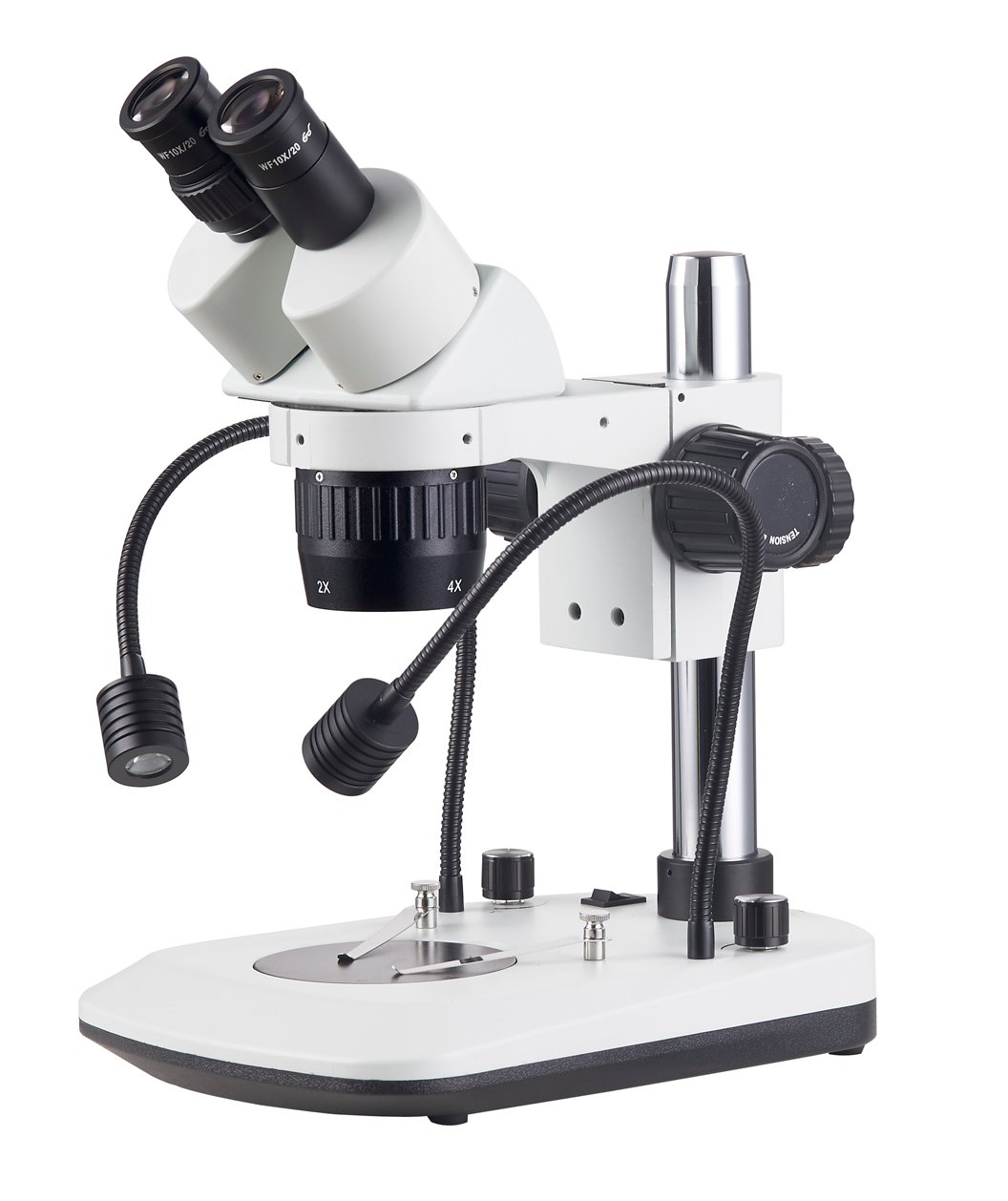
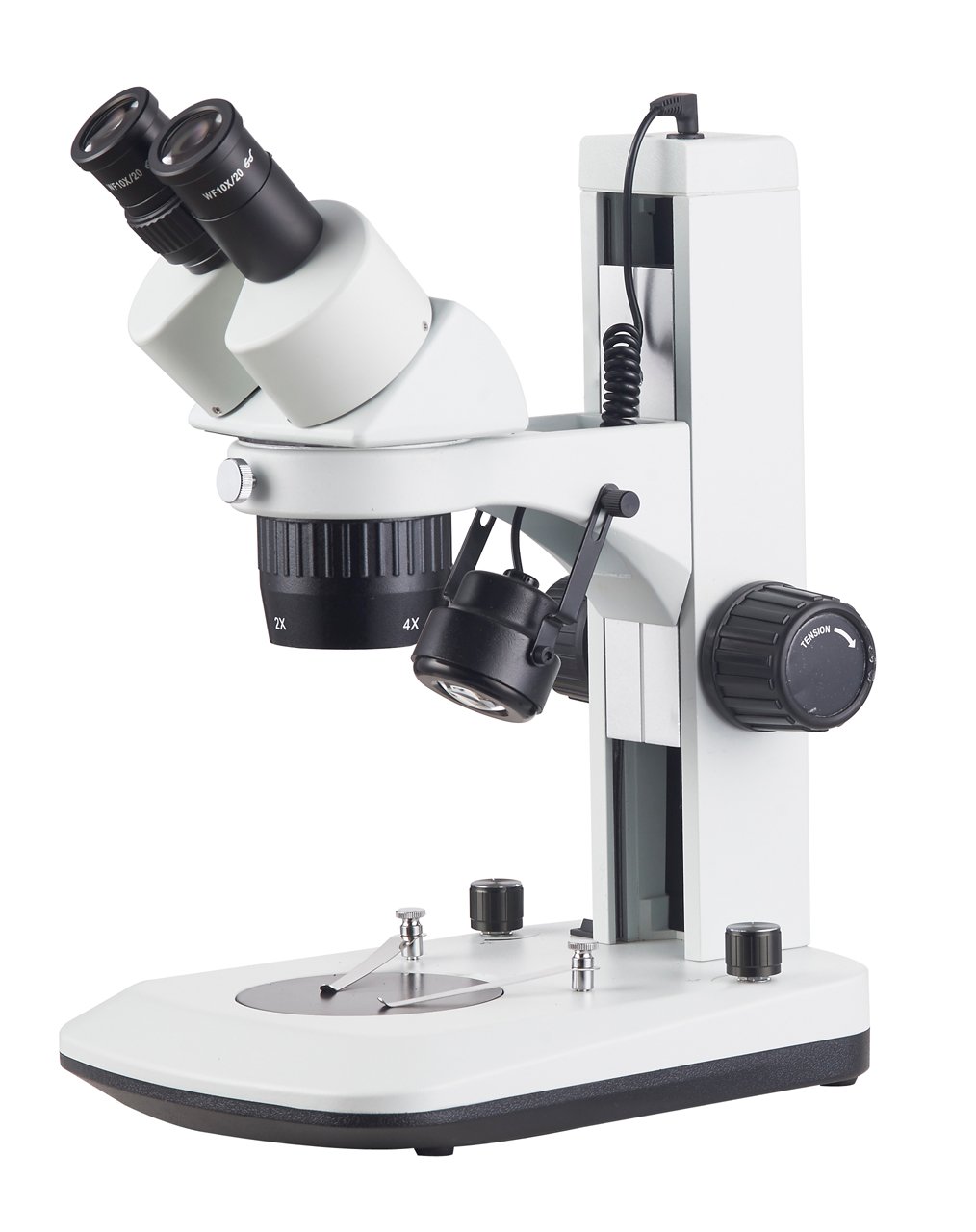
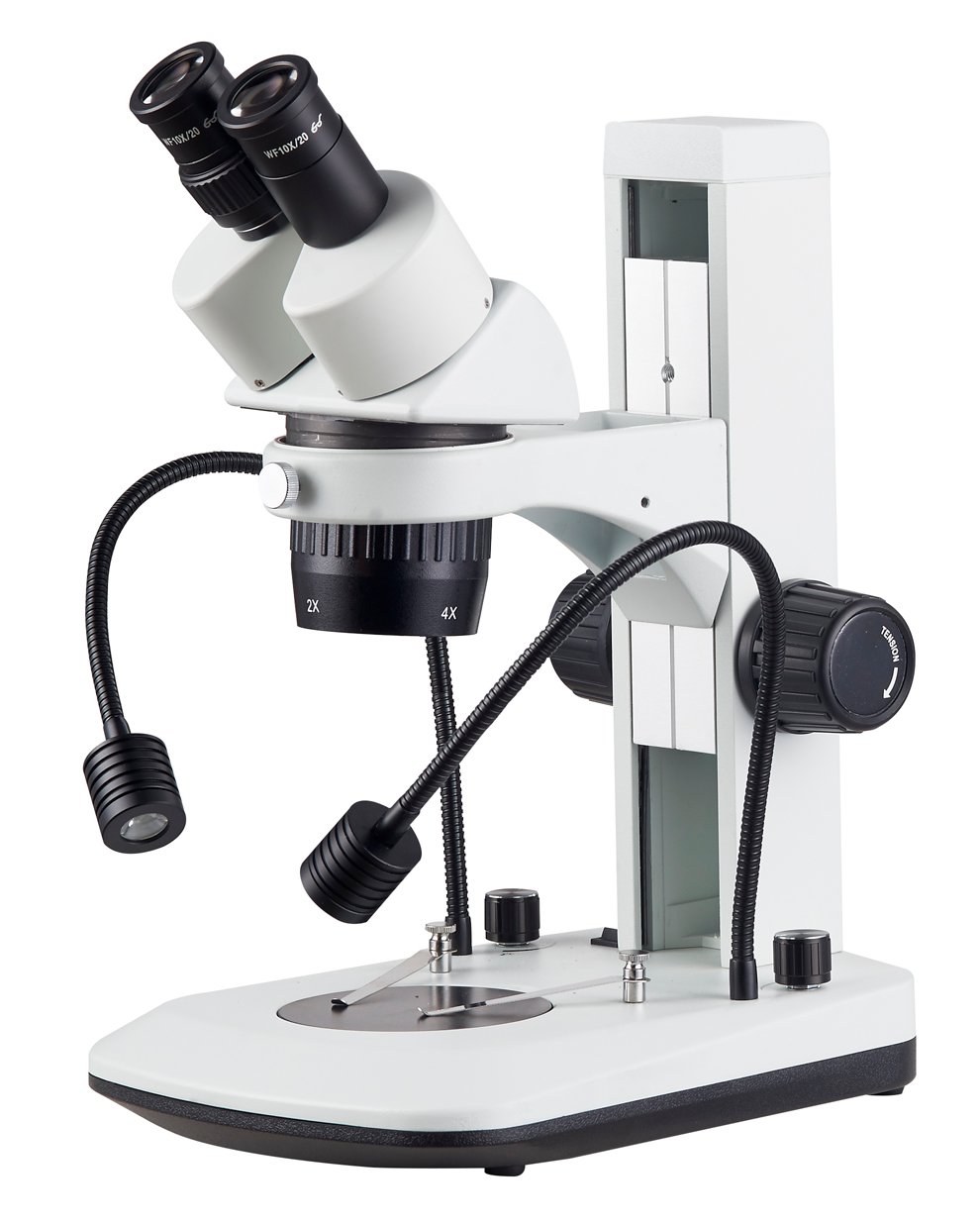
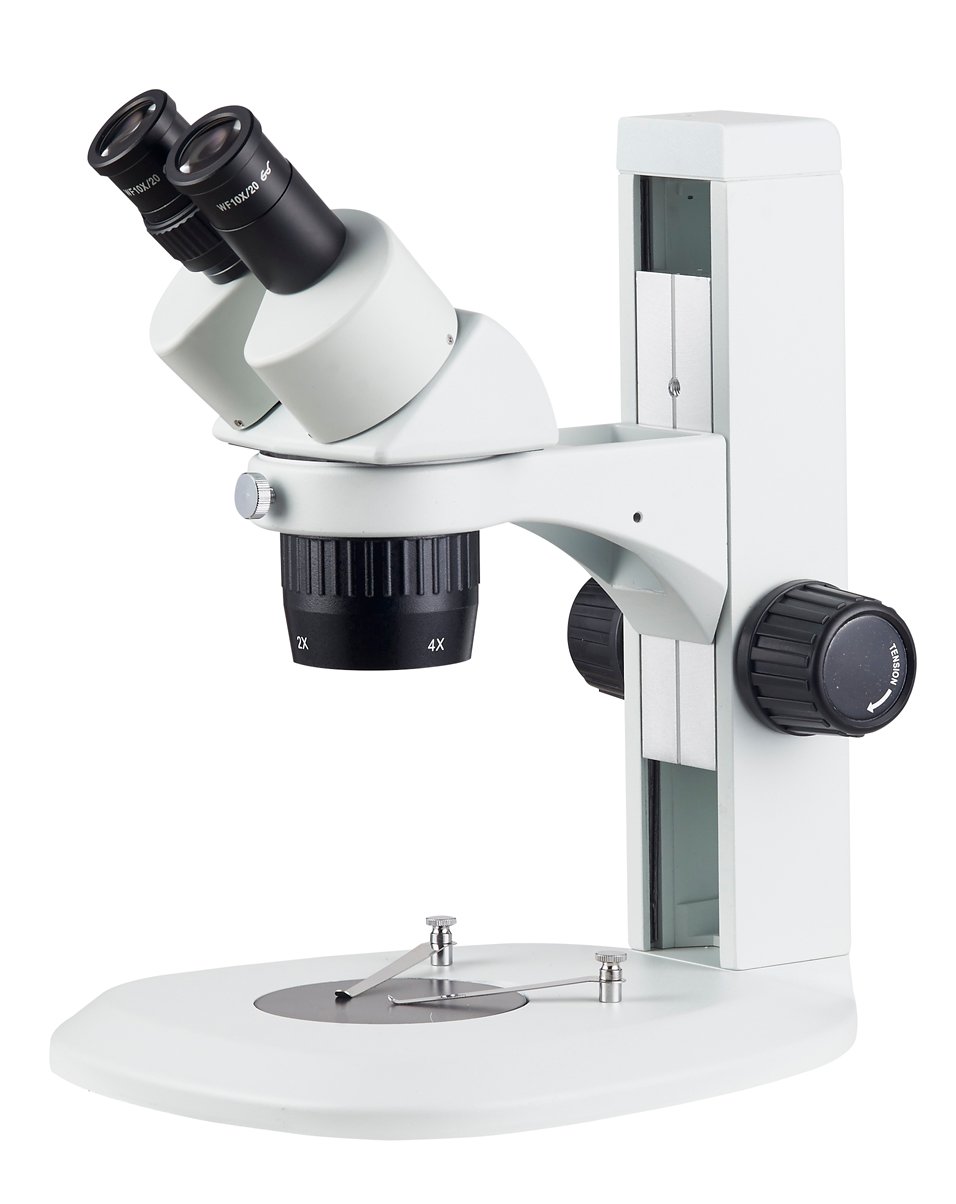
A video microscope is a system: camera, optical lens, stand, light and monitor position must work together. A high-resolution camera alone does not solve shaking, glare or short working distance.
This type is useful when inspection results must be shown on screen, shared with trainees, captured for QC records or explained to a customer. For single-person repair work, we still check whether stereo depth is more important than screen output.
Before placing an order, we confirm the product as a complete working configuration. That includes optics, stand, light, adapters, packaging and spare-parts requirements. These details help buyers compare real working setups instead of isolated specifications.
| System type | Digital / video microscope configuration |
|---|---|
| Main components | Camera, lens, stand, light and adapter |
| Output use | Monitor viewing, training and documentation |
| Stand option | Pole stand, boom stand or inspection base |
| Lighting | LED ring light or side light depending on object |
| Applications | Electronics inspection, repair training and production QC |
These are the points that usually matter after the microscope leaves the catalog and reaches the bench.
The camera spec is quoted with lens and working distance, because the same sensor behaves differently with the wrong optical path.
Video inspection is strongest when more than one person needs to see the same defect at the same time.
Images can support defect discussion, supplier communication and production training.
Configured around real applications, working distance, light control and repeatable supply.
A video microscope is valuable when the image has to be shown to someone else: a trainee, QC manager, customer or production team. If the user only works alone, stereo depth may still feel better.
We configure video microscope systems around camera, lens, stand, light and monitor workflow together.
Practical points for purchasing review and internal product comparison.

Multiple users can view the same defect at the same time.
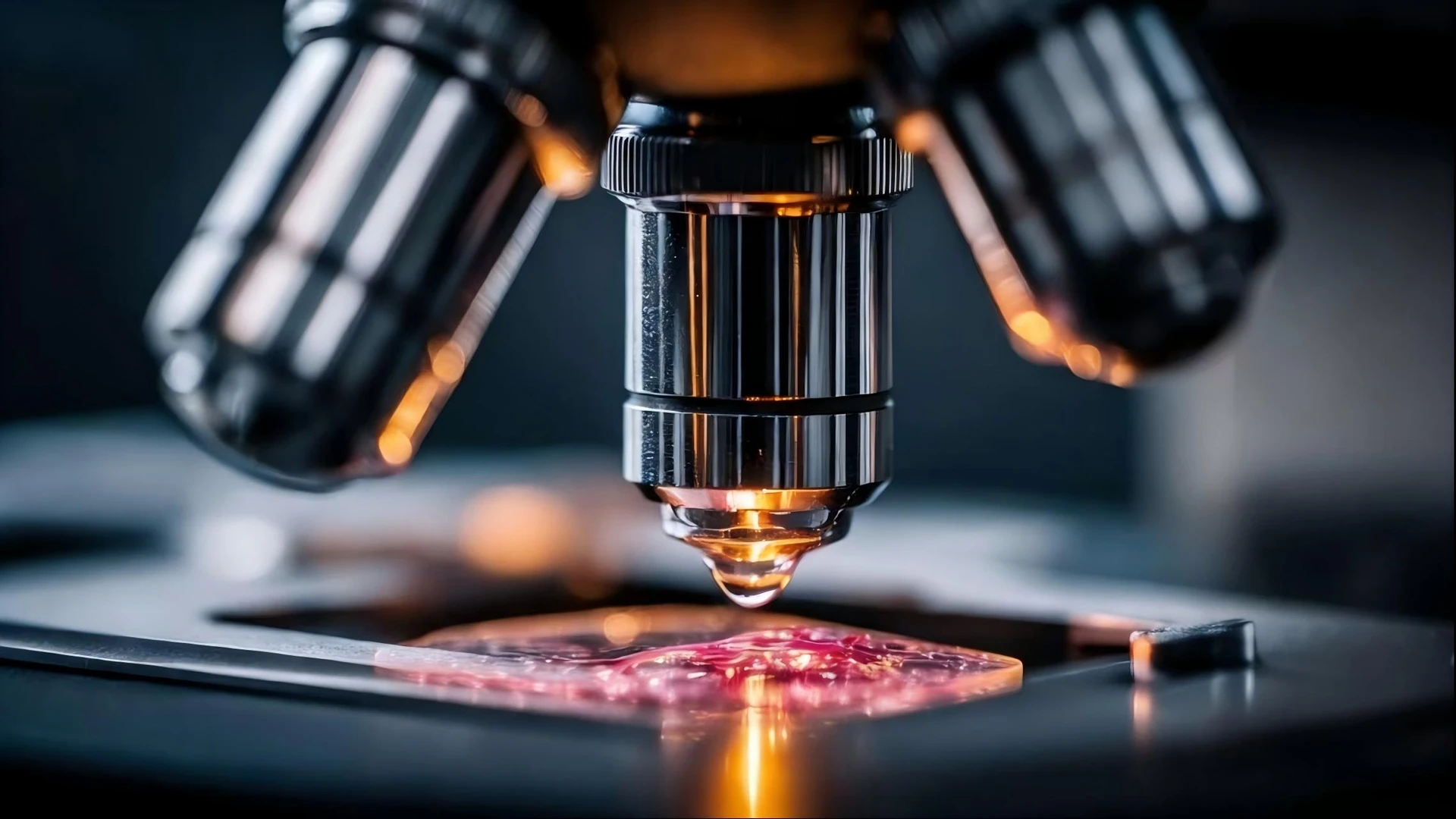
Images support defect discussion.
Camera, lens, stand and lighting.
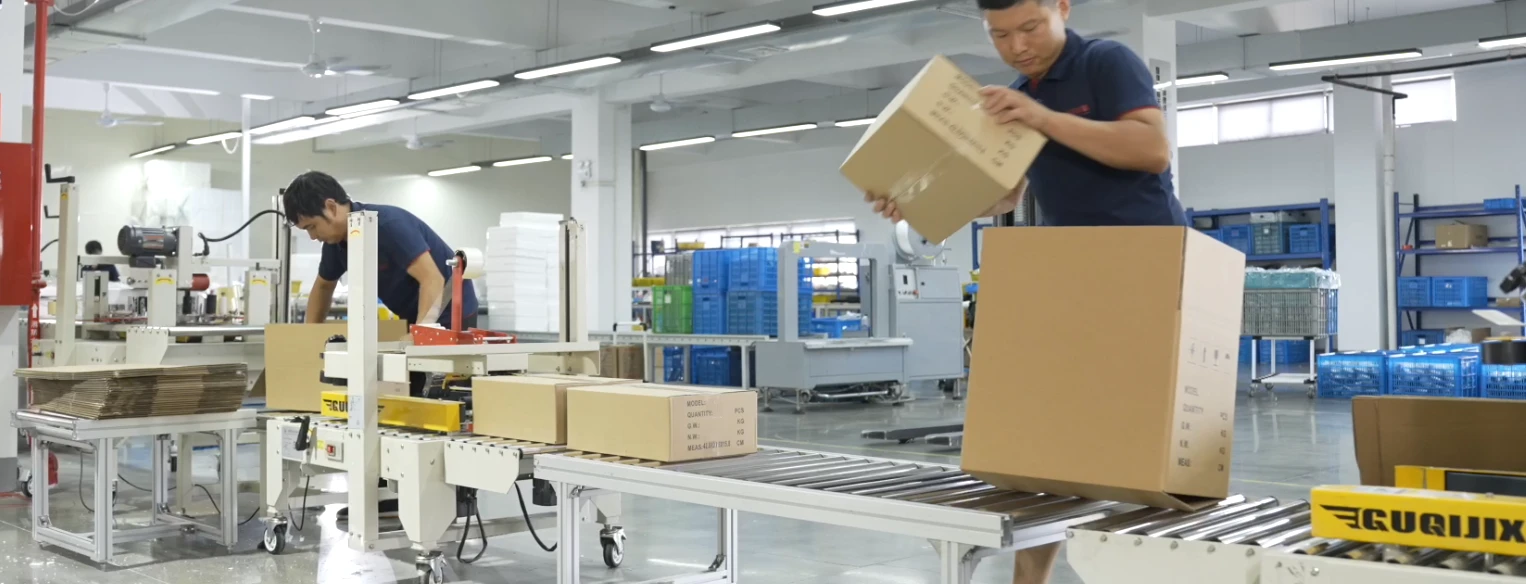
Digital components packed as one system.
A clear process helps buyers know what information we need before quoting or recommending a configuration.
Confirm whether monitor viewing is required.
Match sensor and lens.
Control vibration and height.
Reduce glare and shadows.
Decide whether images need to be saved.
Short answers for the questions that usually appear before an inquiry.
No. Video is better for sharing and records; stereo is often better for depth perception.
Camera, lens, stand, light, adapter and packaging.
If the setup is used by one skilled repair worker, a stereo microscope may feel more natural. If the image must be shared, recorded or reviewed, video inspection earns its place.
A camera number without lens, stand and light context is half a quotation. We quote the complete digital inspection microscope system, not only the camera spec.
A clear image that shakes during focusing is not professional.
Reflective metal and solder joints need adjustment, not just brighter light.
Training, QC record and repair work need different camera expectations.
Choose a question below or leave your requirement. We will help match a microscope model, configuration or quotation.
SUPU-Optics supplies stereo microscopes, video microscope systems and microscope accessories for inspection, repair, education and OEM distribution.